Alles Bewegt Sich: Wagner on Acceleration, Myth, and the Temporal Crisis of 2026

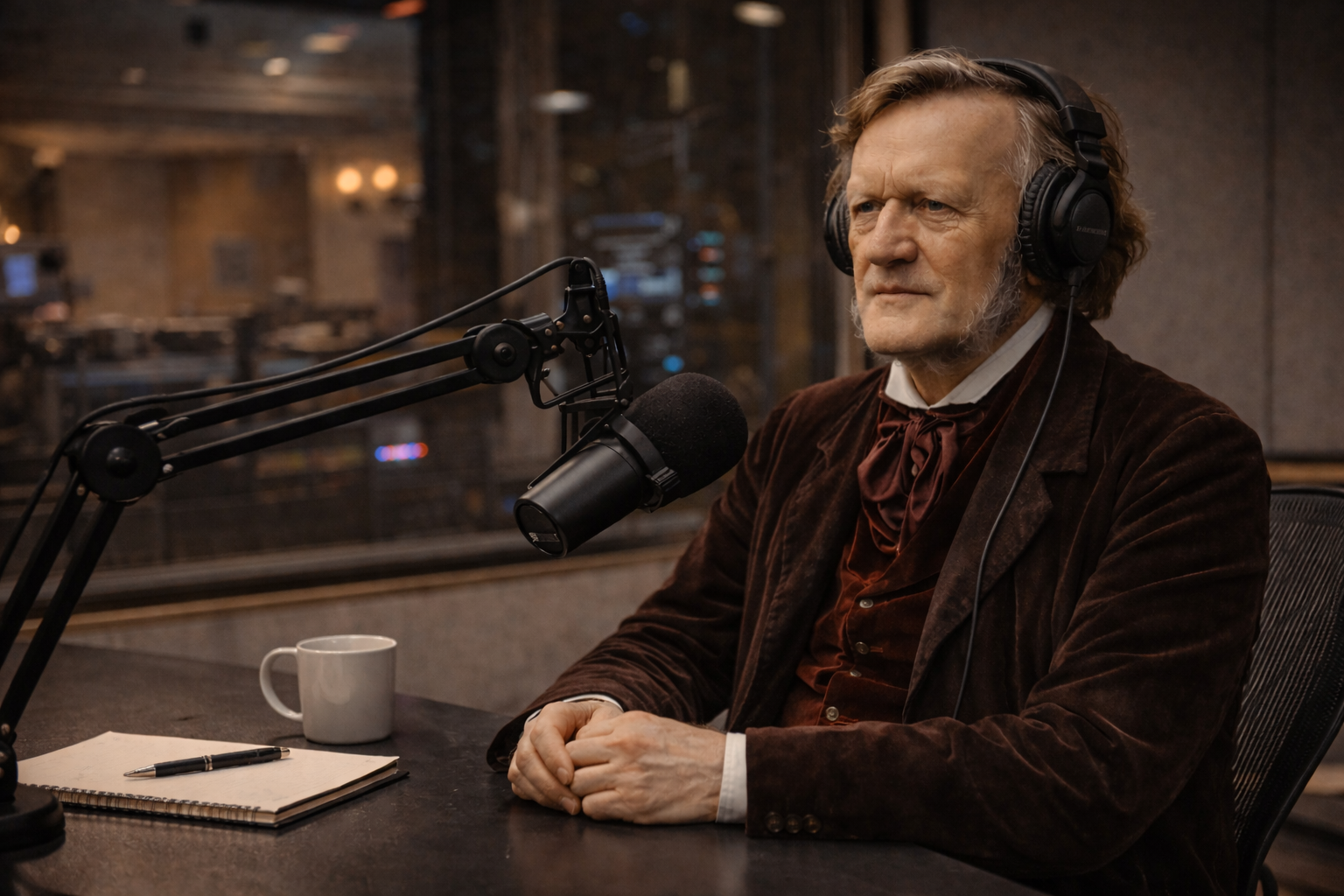
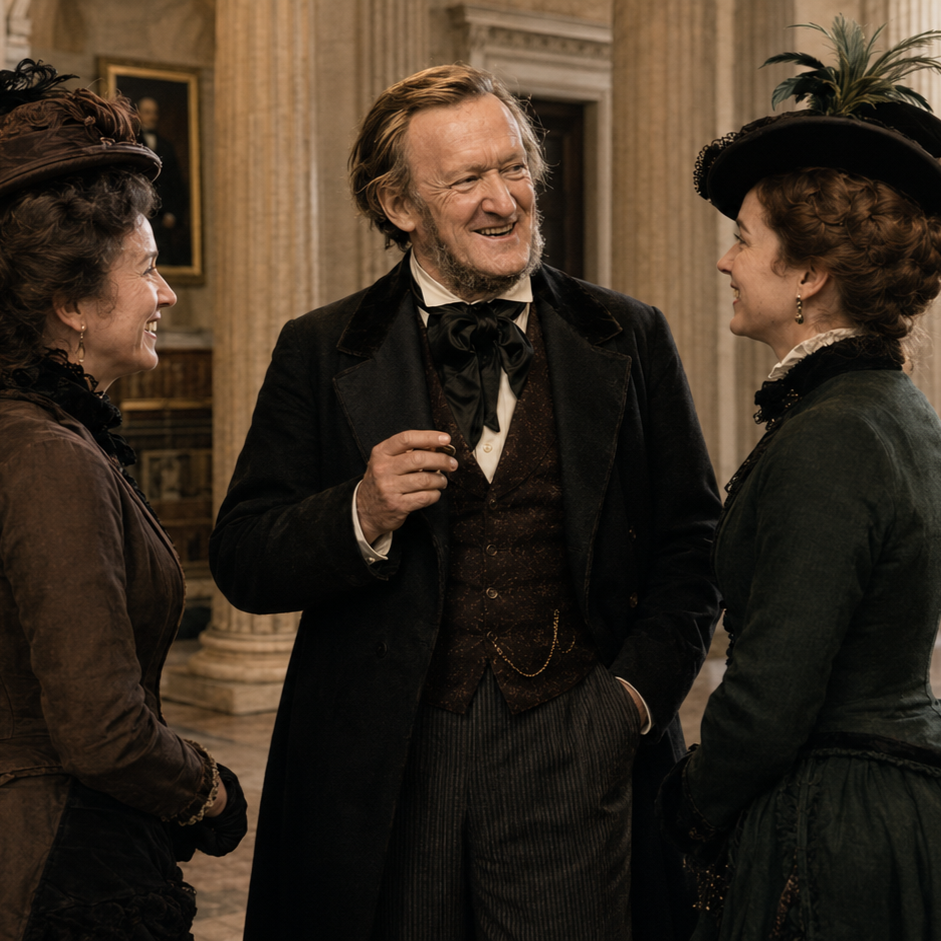
I awaken into your century as if through a trapdoor in time, and the first sensation is not wonder but acceleration. Alles bewegt sich. Everything moves, yet nothing seems to arrive. In my own age, the world groaned and lurched forward with the weight of consequence. Here, consequence is postponed indefinitely, replaced by update, refresh, push notification. You call this progress. I recognize it as impatience mistaken for destiny.
What fascinates me immediately is not your machines but your tempo. You live inside a constant Vorspiel. An overture which never resolves. News breaks perpetually, but nothing concludes. Wars begin again every morning. Moral outrage blooms and withers in hours. Even grief is scheduled, shared, and swiftly archived. You experience tragedy without Verklärung. Catastrophe without transfiguration.
This alone would trouble me, but it is not what horrifies me most. What unsettles me is how little silence your world tolerates. You have eliminated the rests between notes and then wonder why the music exhausts you. In my work, silence carried meaning equal to sound; it was the space in which fate gathered itself. Here, silence is treated as failure, as absence, as dead air. You fear it. And so you fill it with commentary, reaction, content. Immer mehr, immer schneller. Always more. Always faster.
And yet, I confess, I am also captivated. Your technologies, these luminous rectangles you clutch like talismans, possess mythic power. They summon voices across oceans, resurrect the dead as moving images, collapse distance as if geography were a superstition. You have achieved feats my century could only dream of. The danger is not that you lack power. It is that you wield it without ritual.
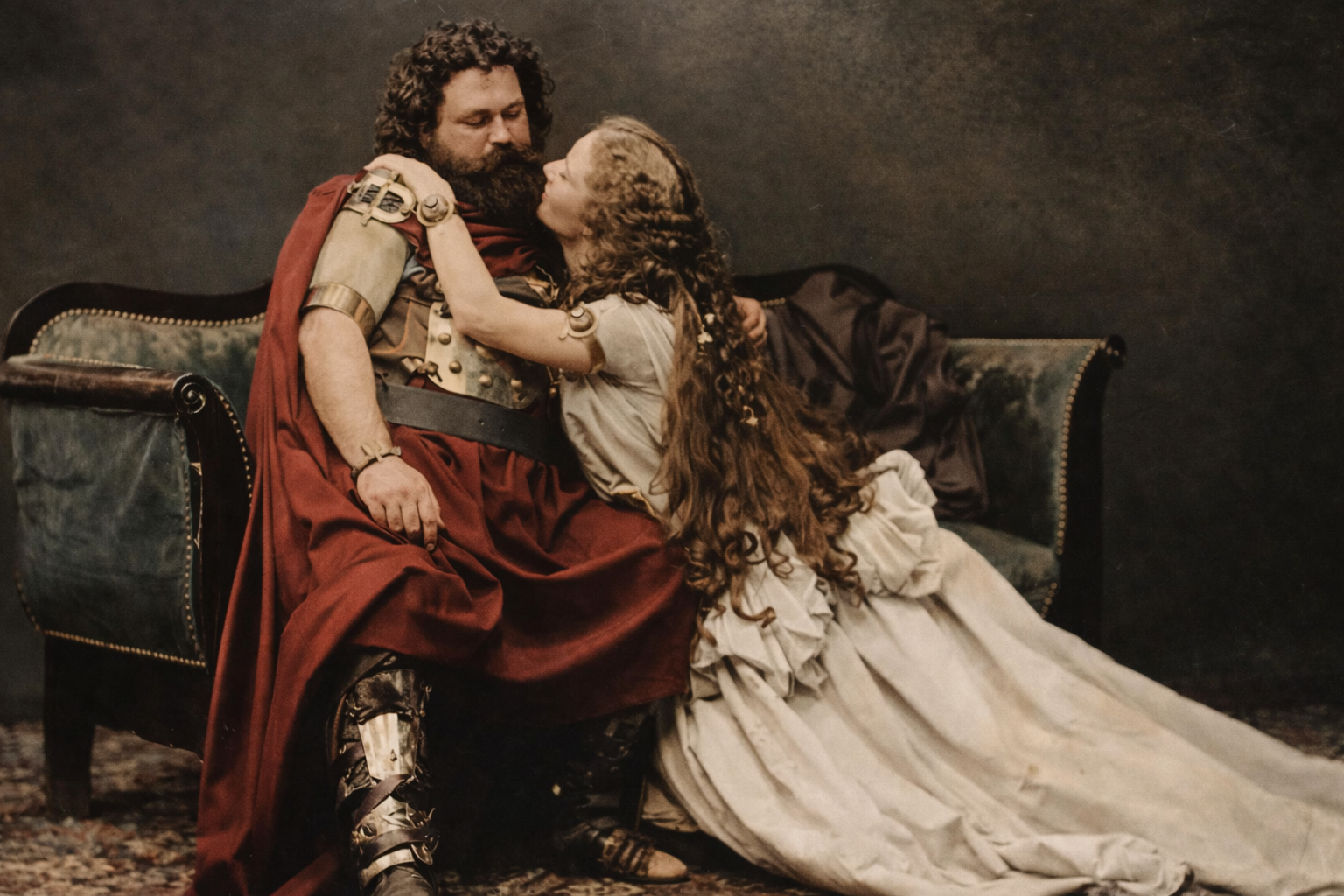
In my time, power demanded preparation. Initiation. Even the gods paid a price. Wotan sacrificed an eye not for knowledge alone, but for the right to see the world’s cost. Your age demands no such sacrifice. Knowledge arrives frictionless, unearned, contextless. And so it cannot bind you. Wissen ohne Weisheit. Knowledge without wisdom.
I watch your politics with a mixture of recognition and dread. The old gods have not vanished. They have been rebranded. Nationalism returns wearing the mask of heritage but lacking its tragic depth. It sings of belonging without obligation, identity without inheritance. This is not myth. It is merchandise. A logo where a lineage should be. I know too well where such hollowed symbols can lead.
Equally strange is your faith in rationality stripped of poetry. You believe that facts alone should govern human behavior, that data can substitute for meaning. But people do not live by spreadsheets. They live by stories, by shared metaphors of who they are and where they are going. When those are absent, they will accept any myth, however crude, that promises coherence.
Here is what you misunderstand: myth is not falsehood. Myth is a vessel for truths too large for prose. When you abandoned myth, you did not become enlightened; you became defenseless.
And yet, here is where I surprise myself, I am not wholly pessimistic.
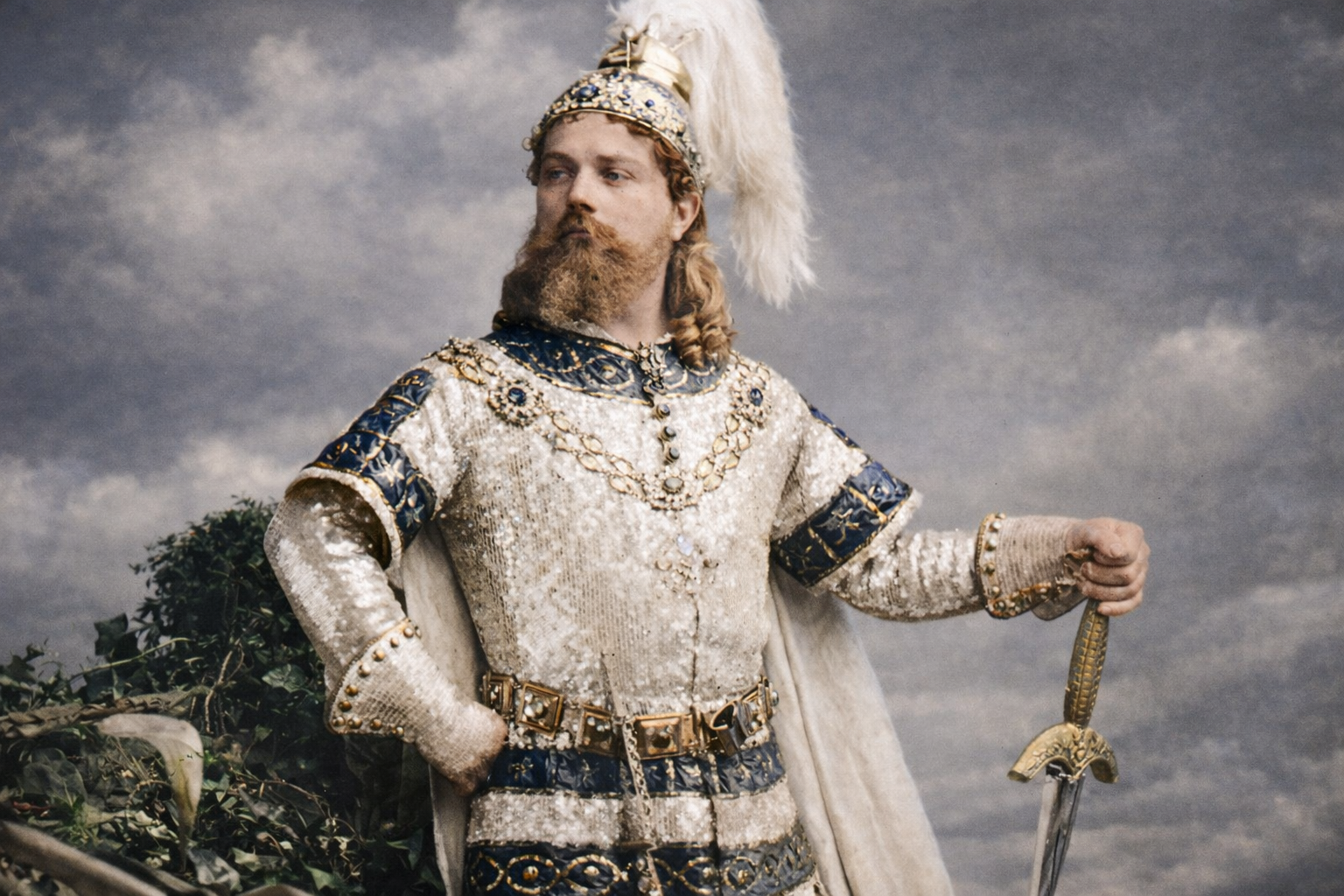
I see among some of you a quiet rebellion. Individuals who walk instead of scroll. Who listen deeply instead of sampling endlessly. Who return to long forms, novels, symphonies, operas, not out of nostalgia, but necessity. You sense, instinctively, that your nervous systems are not built for constant emergency. You crave duration. You crave what I once tried, imperfectly, to give. A space where time stretches, where themes recur and transform, where meaning unfolds slowly enough to be inhabited.
Your artificial intelligences fascinate me in ways which unsettle even my own certainties. Machines which compose, paint, write. This would have been sorcery in my day. I am not horrified by them as tools. I am horrified by how quickly you ask them to replace struggle. Creation without risk. Art without Leidenschaft. When everything can be generated instantly, nothing is allowed to ripen.
You mistake recognition for transformation. These systems reflect you brilliantly, but they do not initiate you. They offer mirrors, not pilgrimages. Myth demands cost. Without cost, art becomes ornament, content, background noise for productivity.
Productivity, another of your gods. You worship efficiency with a fervor that would have impressed even Alberich. Everything must justify itself, scale, perform. Even rest is instrumentalized. Even contemplation must produce output. You do not ask what a thing means, only what it yields. In such a world, the soul is perpetually behind schedule.
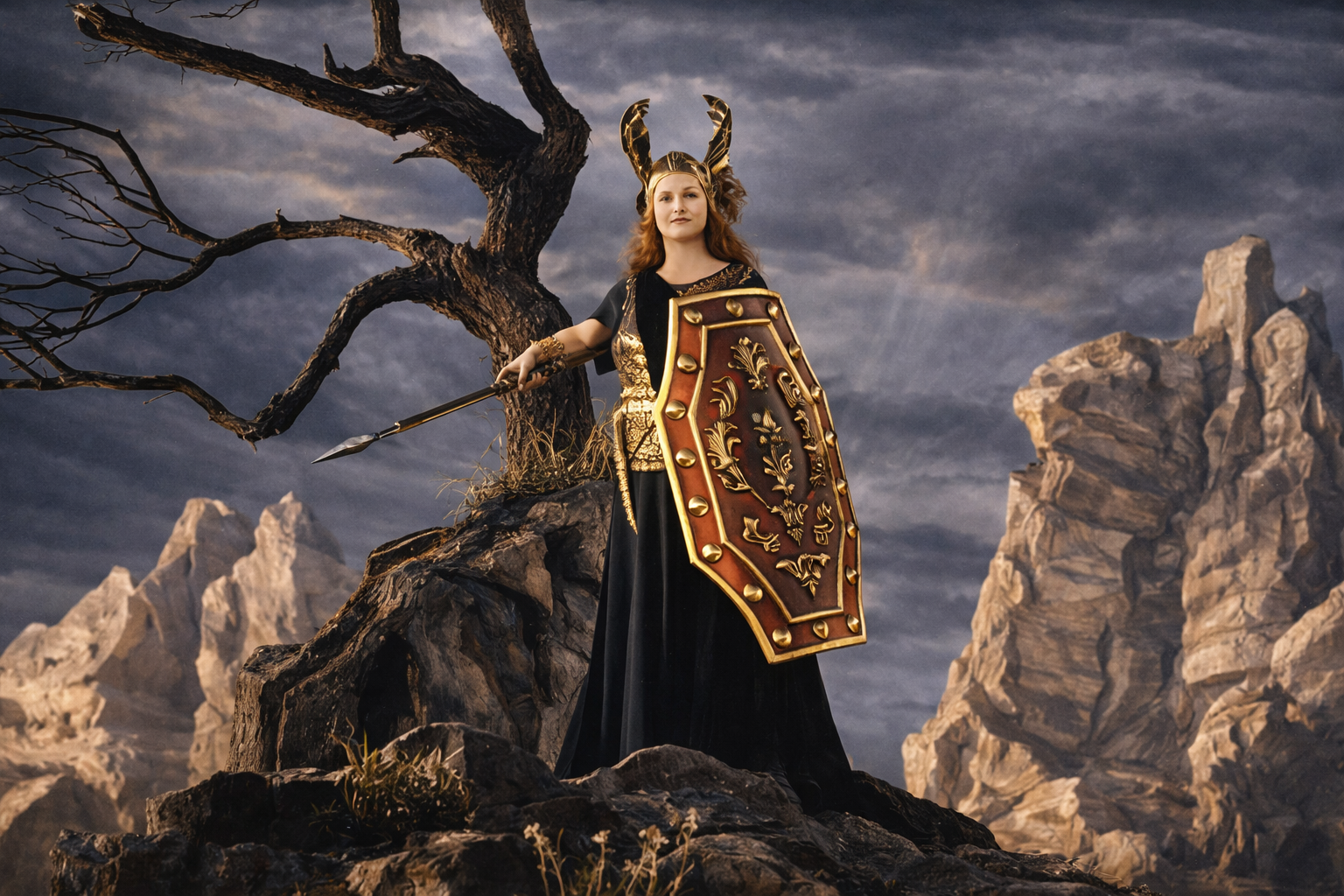
And yet, I recognize in this frenzy a deeper hunger. You are not shallow. You are starving. Starving for coherence, for continuity, for a sense that your lives belong to something larger than the next quarter or the next outrage cycle. You feel the loss, even if you lack the language to name it.
If I were to compose in your century, I would not write about heroes or gods. I would write about waiting. About restraint. About choosing not to speak. An opera where nothing happens quickly, where themes resist resolution, where the audience must surrender their phones at the door and sit, uncomfortably, with time itself. It would fail commercially. That would be its virtue.
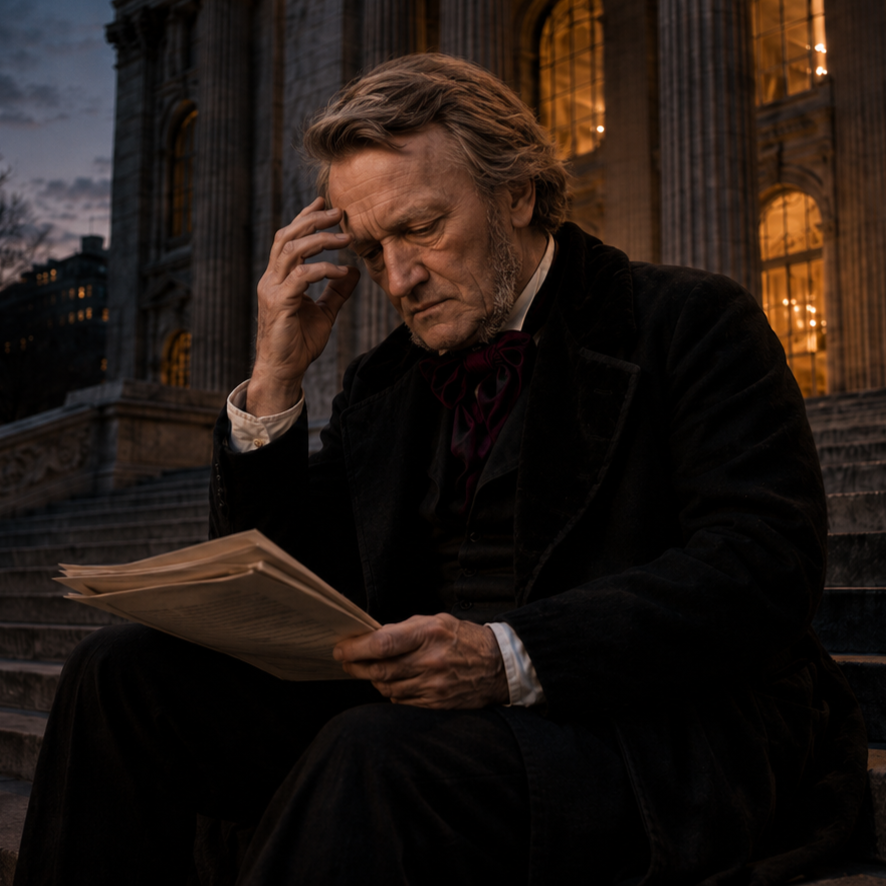
What horrifies me most, finally, is not your technology or your politics, but your misunderstanding of time. You believe history is a sequence of problems to be solved rather than a moral continuum to be endured. You treat each crisis as isolated, each event as disposable. In my world, sins echoed across generations. In yours, they vanish into the feed. This is why your news exhausts you. It asks you to care endlessly without offering redemption. Tragedy without catharsis. Drama without destiny.
Slow down enough to let meaning catch you. Build rituals worthy of your power. Relearn how to listen, wirklich zuhören, not just to voices, but to durations, to places, to the long arcs of consequence that bind past and future. Myth is not your enemy. Acceleration is. You do not need louder voices or smarter machines. You need longer sentences. Longer walks. Longer memories. Only then will the music return.
Further Reading