From Gods to Compassion: Wagner’s Entire Canon as a Single Moral Argument
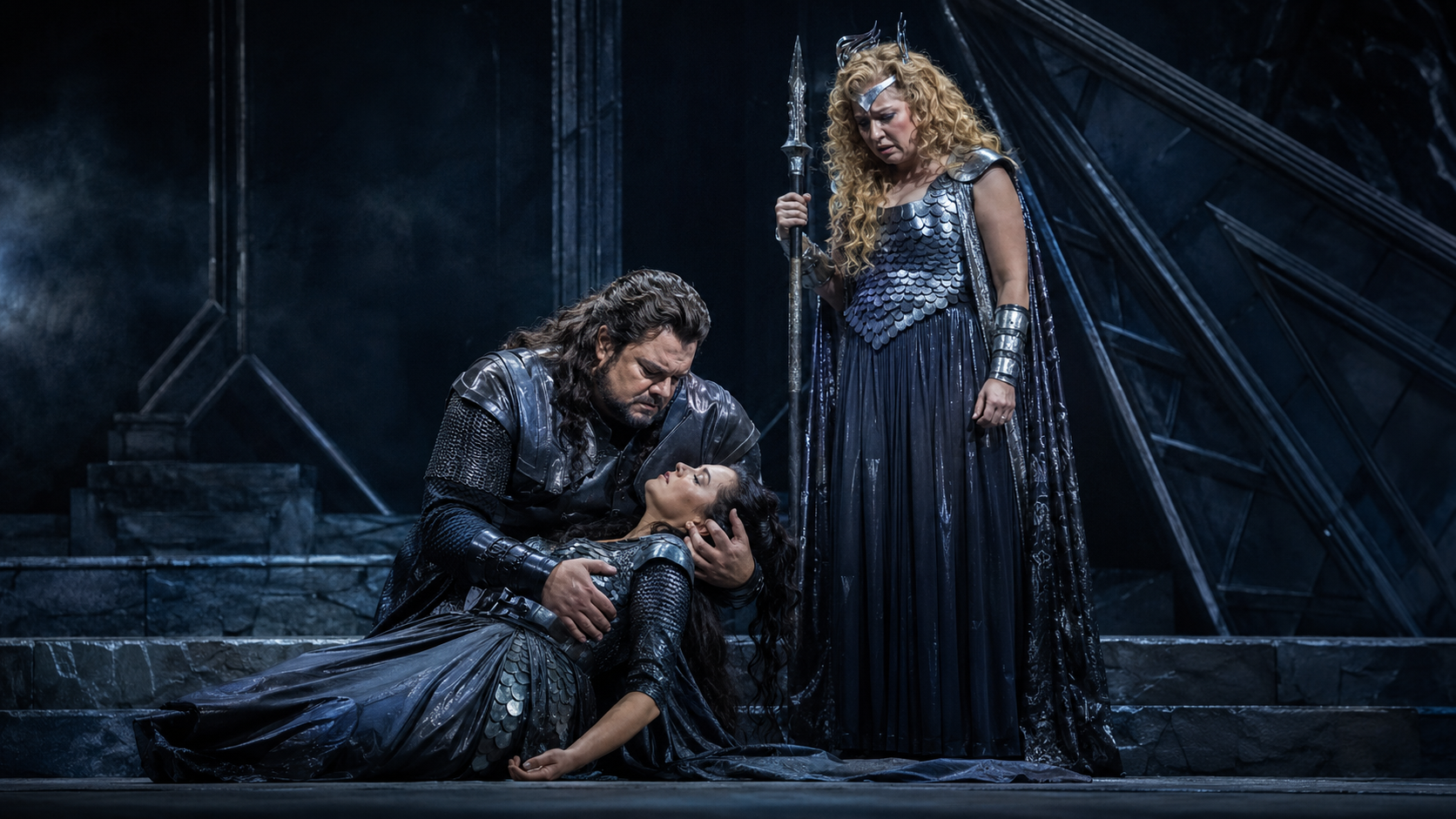
What if Wagner never believed he was writing multiple operas at all? What if, from his perspective, he was returning again and again to the same world, unable to leave it, compelled to examine it from different angles because it would not release him? Seen this way, Wagner’s oeuvre is not a sequence of independent works but a single moral universe observed at different stages of its exhaustion. The operas coexist because Wagner did not believe history resets. He believed it accumulates. The past does not disappear. It thickens. And the longer it goes unexamined, the more violently it reasserts itself.
This is why Wagner feels so uncannily modern. His universe behaves like a trauma system. Nothing is resolved cleanly. No catastrophe ends the story. Even when gods burn and worlds collapse, the consequences remain alive, redistributed into new forms. Wagner’s worldview was not linear or progressive. It was recursive. Humanity does not move forward by improving. It moves sideways by repeating, unless something intervenes.
If we place all of Wagner’s operas inside the same ethical universe, what emerges is not a grand mythological continuity but a shared psychological timeline. Each opera represents a different way a civilization tries, and largely fails, to metabolize the same original rupture. The moment power is taken without consent and justified after the fact by law, love, tradition, or faith. Once that rupture exists, everything that follows is adaptation, denial, or displacement.
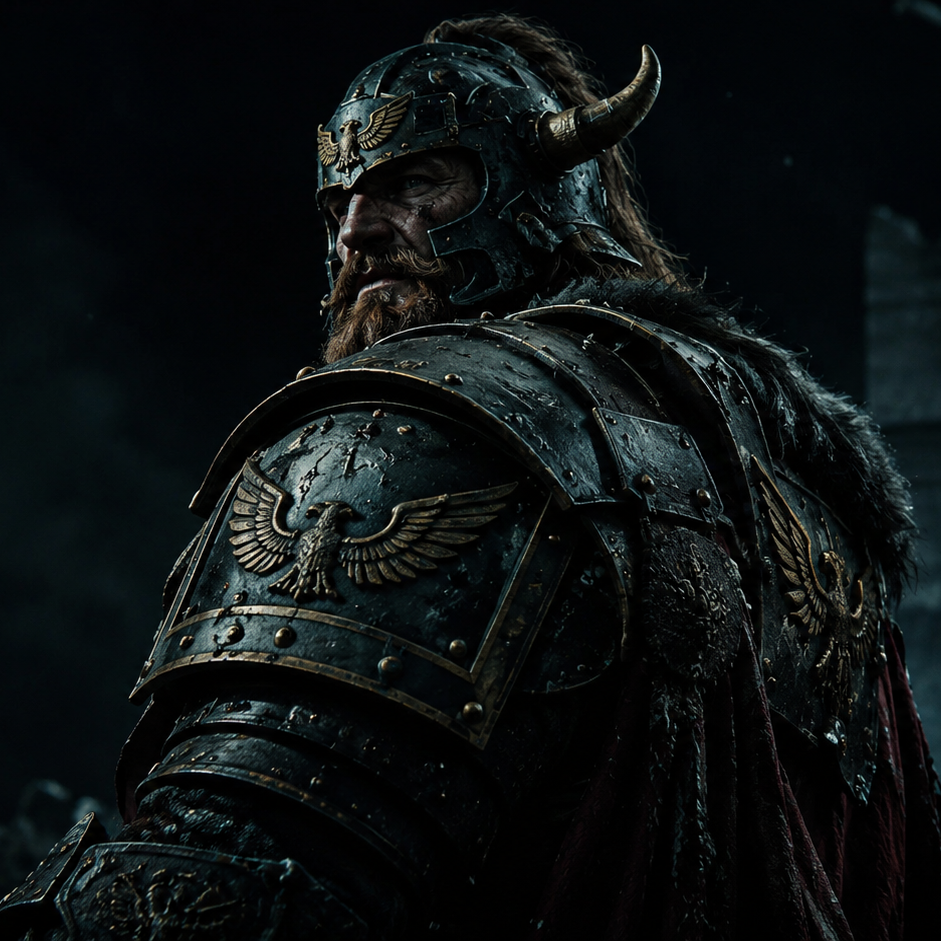
The Ring is the foundational trauma. Not because it is mythic, but because it is explicit. A world is built upon theft, on the violation of nature, on contracts that claim legitimacy while concealing coercion. Authority in the Ring is never natural. It is always compensatory. Gods rule because something has already gone wrong. Their laws do not stabilize the world. They formalize its injustice. When the gods finally burn, nothing is redeemed. The universe is not healed. A metaphysical explanation has simply been removed.
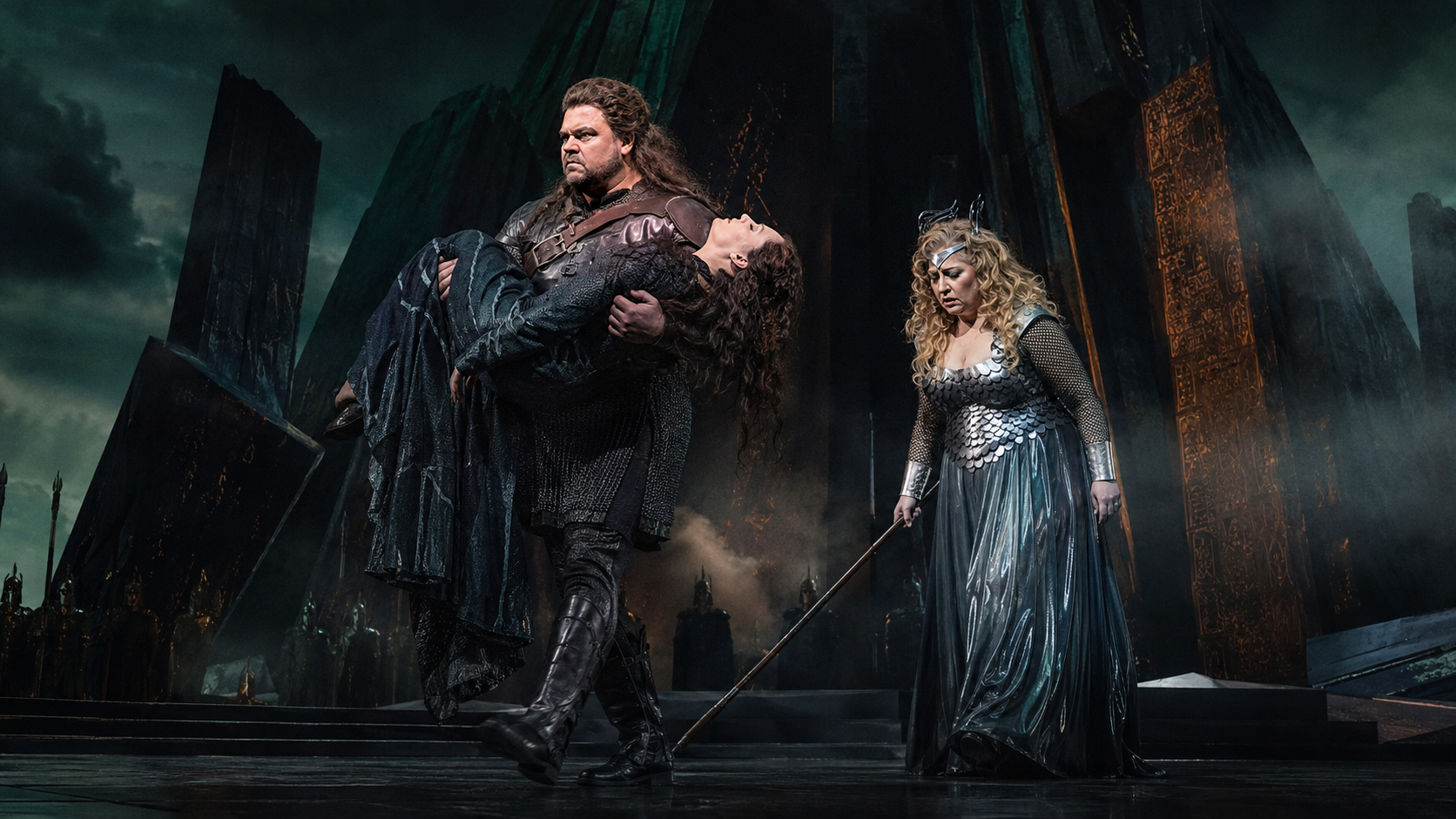
And this is where most readings stop, as if Götterdämmerung were a terminal point. But Wagner does not stop. The ethical pressure released by the collapse of divine order has to go somewhere. It goes inward.
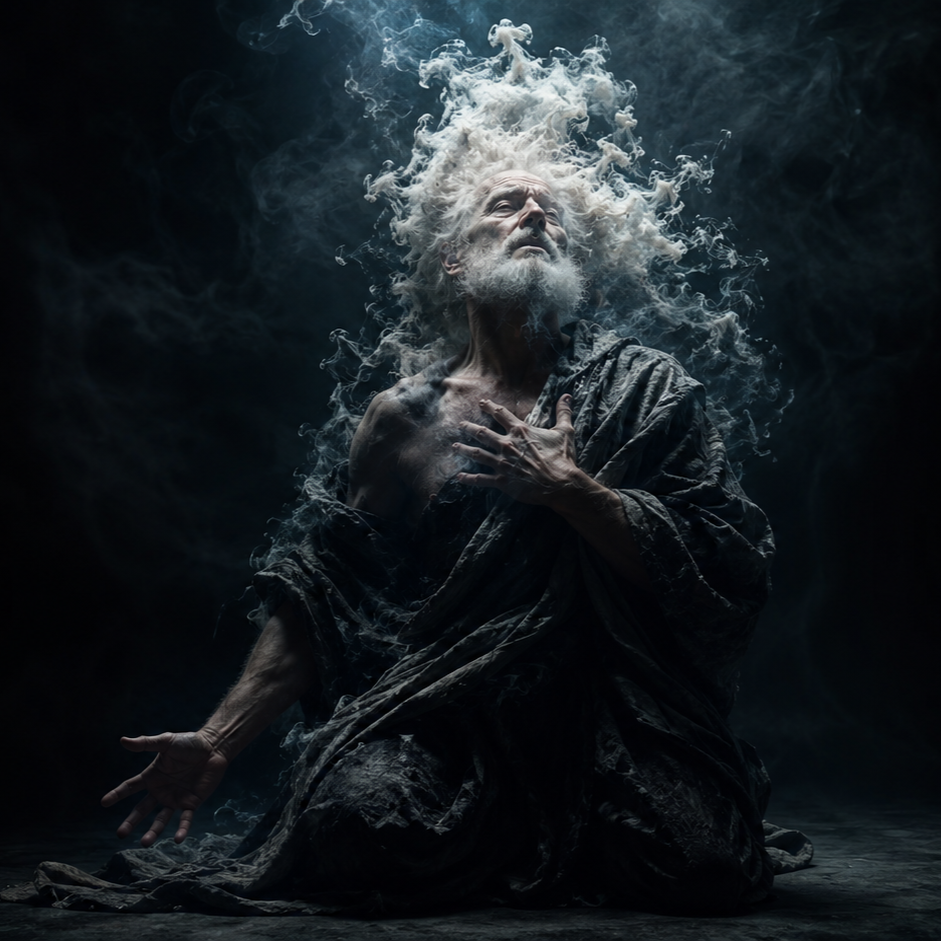
Tristan is not an escape from the Ring’s world. It is what happens after belief in external meaning fails. Once gods, laws, and cosmic structures lose credibility, the burden of meaning collapses into the private self. Desire becomes absolute not because it is pure, but because there is nothing left to restrain it. Love becomes totalizing, annihilating, narcotic. Tristan and Isolde do not transcend the world. They withdraw from it. Their famous longing for night is not romantic mysticism but exhaustion with a reality that no longer offers moral shelter.
This is why Tristan feels timeless and suspended. It is not outside history. It is what history feels like when it can no longer justify itself. It is the interior weather of a civilization after metaphysics has failed but before ethics have been rebuilt.
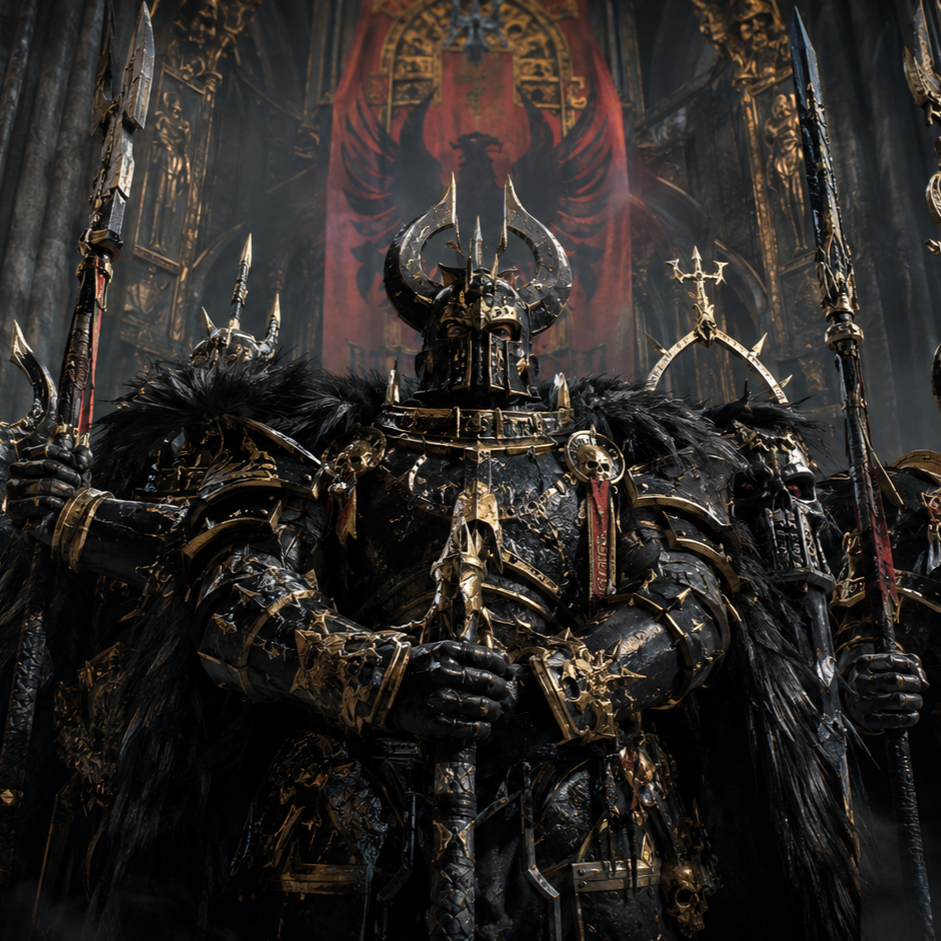
From there, Wagner turns outward again, but cautiously. Meistersinger is often misunderstood as a comic detour, a civic celebration, a hymn to tradition. In this shared universe, it reads differently. Meistersinger is a society trying to stabilize itself without gods, without mythic authority, using culture itself as the load-bearing structure. Rules return, but now they are human-made, anxious, overdetermined. Tradition becomes both shelter and threat. Innovation is permitted, but only if it can be recognized by the old forms.
What Wagner stages here is not harmony but negotiation. The question is no longer cosmic or erotic. It is social. How does a community preserve continuity without strangling the future? How do rules remain alive instead of becoming defensive rituals? Meistersinger does not resolve this. It performs it, nervously, beautifully, aware that culture can both heal and harden.
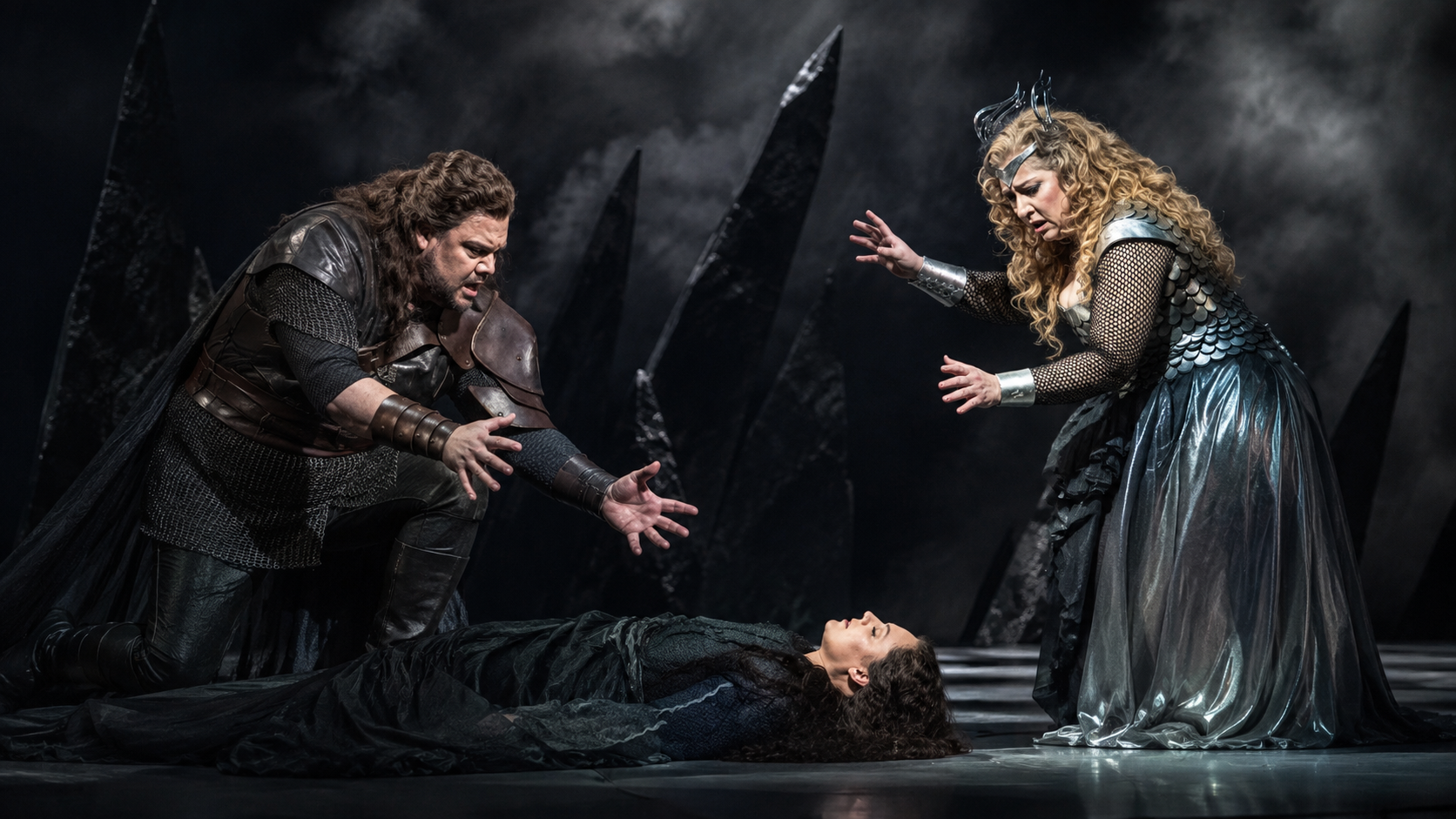
And then there is Parsifal, which is often misread as Wagner retreating into religiosity or mysticism. In the logic of this shared universe, Parsifal is something else entirely. It is the final ethical experiment after all other strategies have failed. Power corrupted. Desire annihilated. Tradition ossified.
What remains is attention.
Parsifal proposes, not triumphantly, not even confidently, that the only thing capable of interrupting historical repetition is the refusal to reenact harm. Not through heroics, not through domination, not through transcendence, but through conscious restraint. Through the willingness to feel suffering without immediately converting it into power. Compassion, in Parsifal, is not virtue. It is a brake. A pause inserted into a system that otherwise only knows how to repeat.
Seen this way, all of Wagner’s operas coexist because they are not stories about different worlds. They are stories about the same world attempting different coping mechanisms across time. Myth, love, art, ritual, and compassion are not themes; they are sequential strategies applied to the same unresolved condition.
This is Wagner’s true worldview, and it is darker, and more honest, than either his admirers or detractors often admit. He did not believe humanity progresses naturally toward goodness. He believed it circles its own wounds until it becomes aware of the circling. Awareness does not guarantee redemption. It merely makes repetition harder to justify.
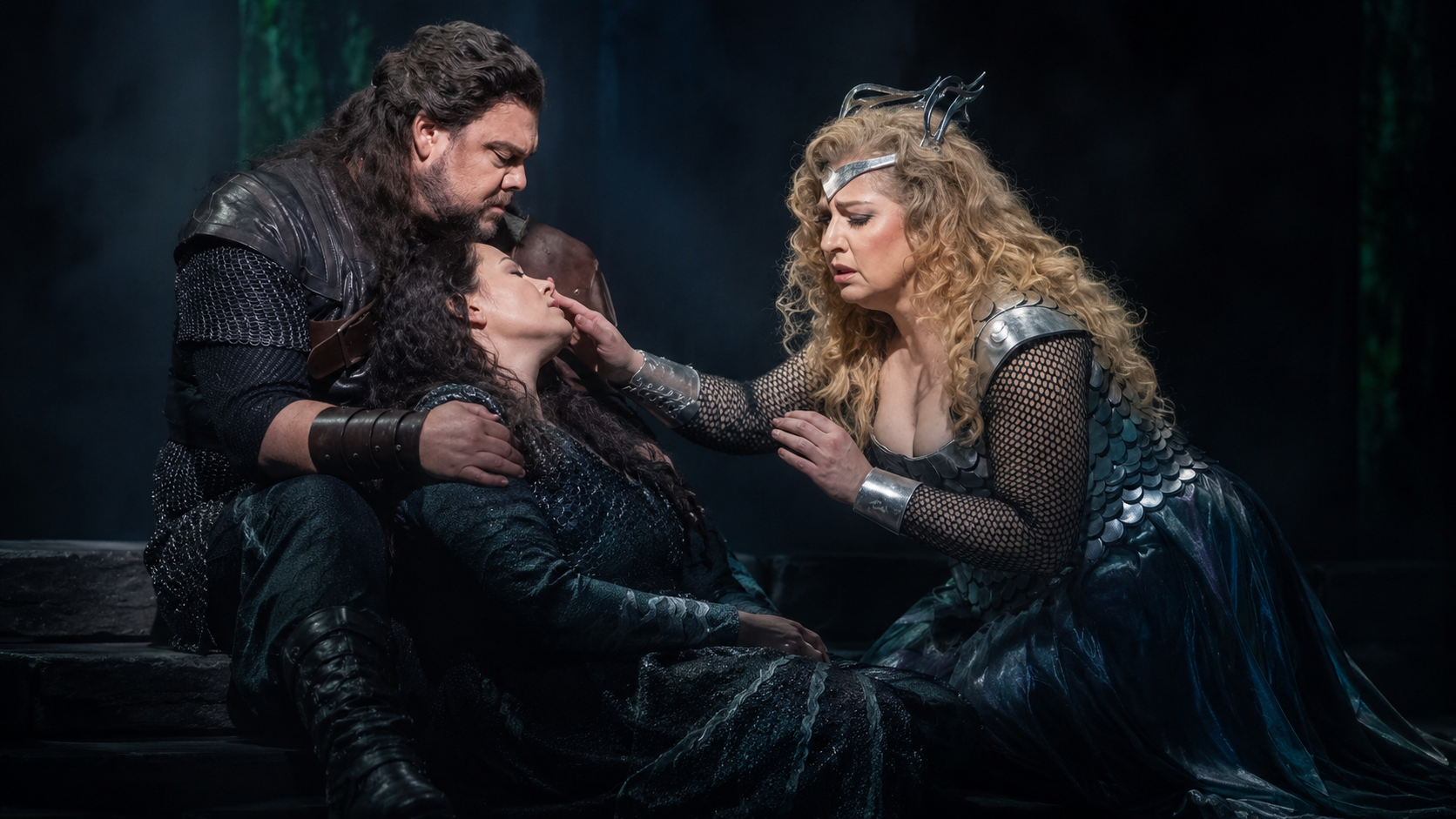
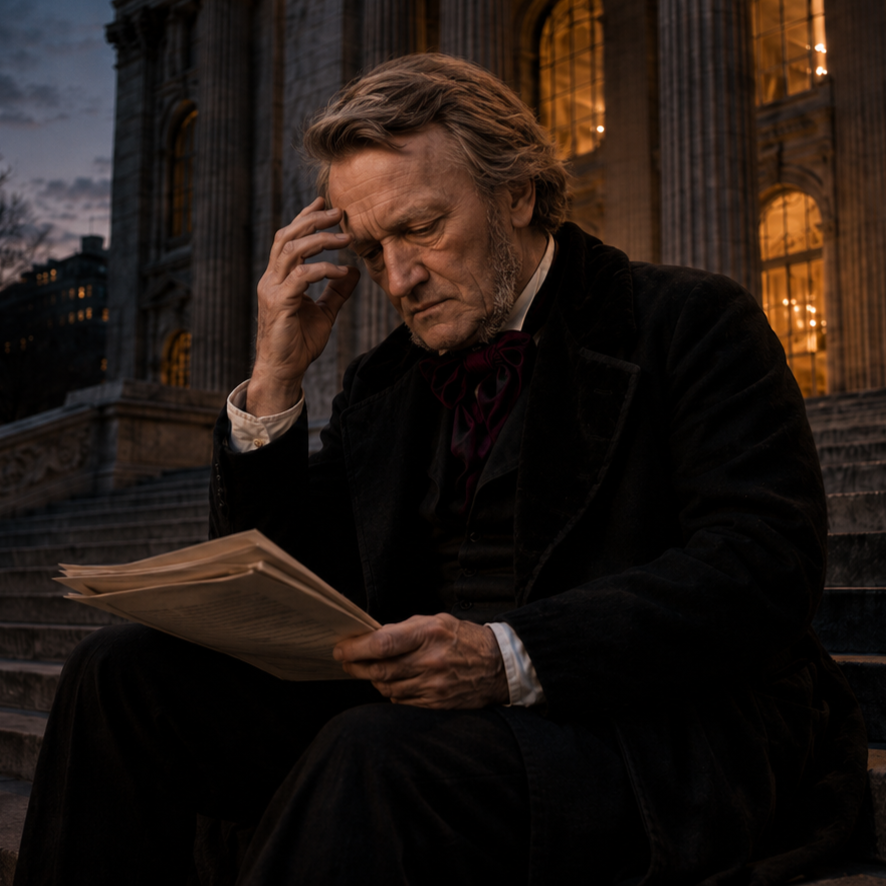
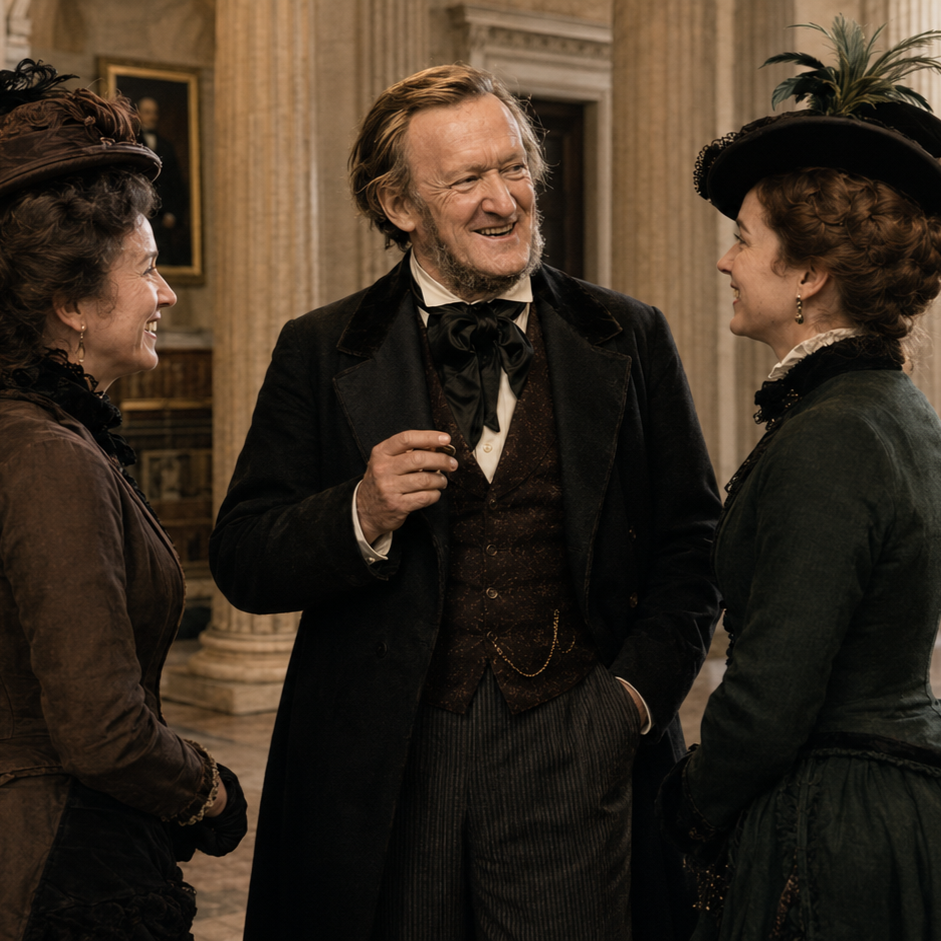
This is where AufbruchMatt quietly becomes more than a curatorial or aesthetic project. Walking Wagner through New York collapses time because Wagner’s universe is already collapsed. The same ethical tensions that animate gods, knights, and grail keepers animate offices, subways, ferry decks, and city streets. The medium has changed. The pressure has not.
Month to month, opera to opera, you are not moving through a canon. You are moving along an ethical weather system. Some days feel like Ring-days. Systems cracking under their own contradictions. Some feel like Tristan-days. Private longing intensified because public meaning feels thin. Others feel like Meistersinger-days. Institutions trying to adapt without knowing whether adaptation is enough. Occasionally, rarely, there are Parsifal-days. Moments when restraint, care, and attention interrupt the automatic script.
Wagner’s operas coexist because he refused moral amnesia. Nothing in his universe is isolated. Nothing is innocent once it knows what came before. Every attempt at meaning carries the residue of previous failures.
Aufbruch is not an escape from this universe. It is the decision to walk through it deliberately, listening closely enough to notice which layer you are standing in. And whether, for a moment, you might choose not to repeat what history is urging you to do next.
Further Reading