The Listener Is Not Supposed to Be Ready: Wagner, Childhood, and the Art of Becoming
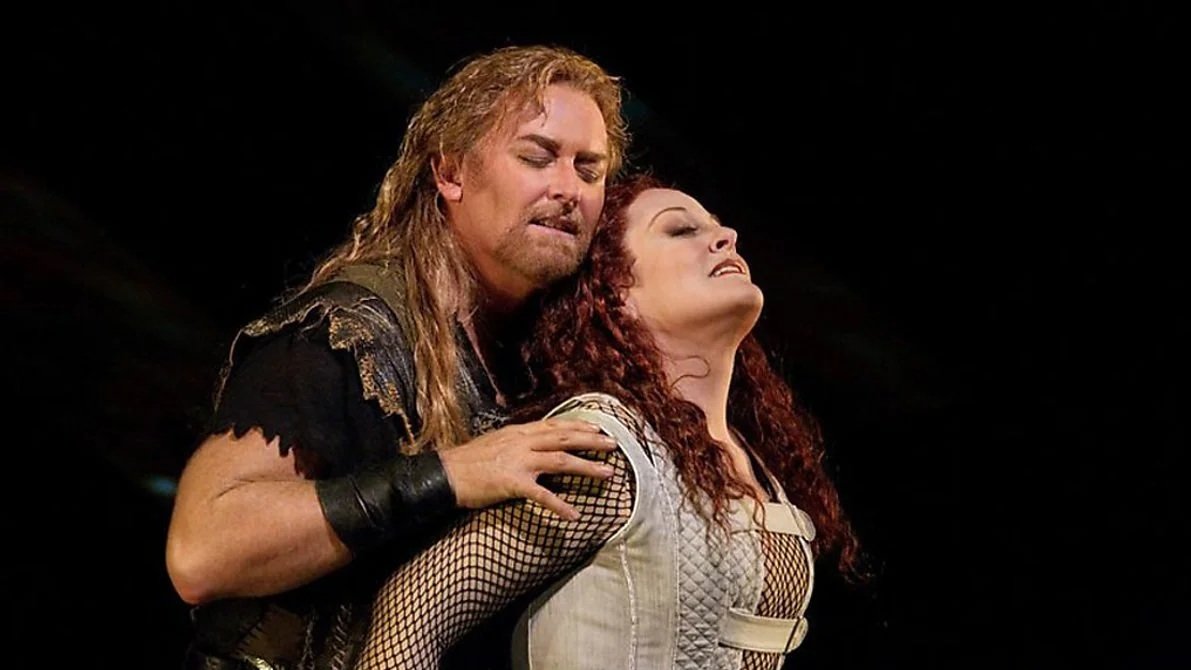
In a letter written late in his life, Wagner remarks, half defensively, half triumphantly, that children do not belong in the theatre, they cannot possibly understand what is taking place there. Elsewhere, in different formulations, he returns to the same idea. That his art is for the initiated, the prepared, the mature. That it demands a level of seriousness, discipline, and cognitive readiness unavailable to the young, the distracted, the unformed.
This is not a cruel statement in the way some of Wagner’s others are. It is paternal. Protective, even. It assumes that great art is fragile, easily misunderstood, and therefore must be guarded, kept away from those who lack the intellectual and moral equipment to receive it properly.
To restrict Wagner to the already-formed mind, is not only mistaken, but runs directly counter to the deepest structure of his artistic project. More strongly, Wagner’s operas do not require maturity in order to work. They produce it. And in doing so, they reveal that Wagner fundamentally misunderstood the direction of causality between art and understanding.
This matters to Aufbruch/Matt because the project is not an academic seminar. It is not Bayreuth. It is a practice of exposure. Of letting Wagner wash through ordinary days, half-listened-to, mis-timed, interrupted. It assumes that understanding is not a prerequisite, but an emergent property.
Wagner, for all his talk of total art, repeatedly fell into a familiar trap. Confusing comprehension with readiness. He believed that one must arrive at the theatre already shaped in order to be shaped further. That art refines what is already there, rather than forming something new.
But his operas contradict this belief at every structural level.
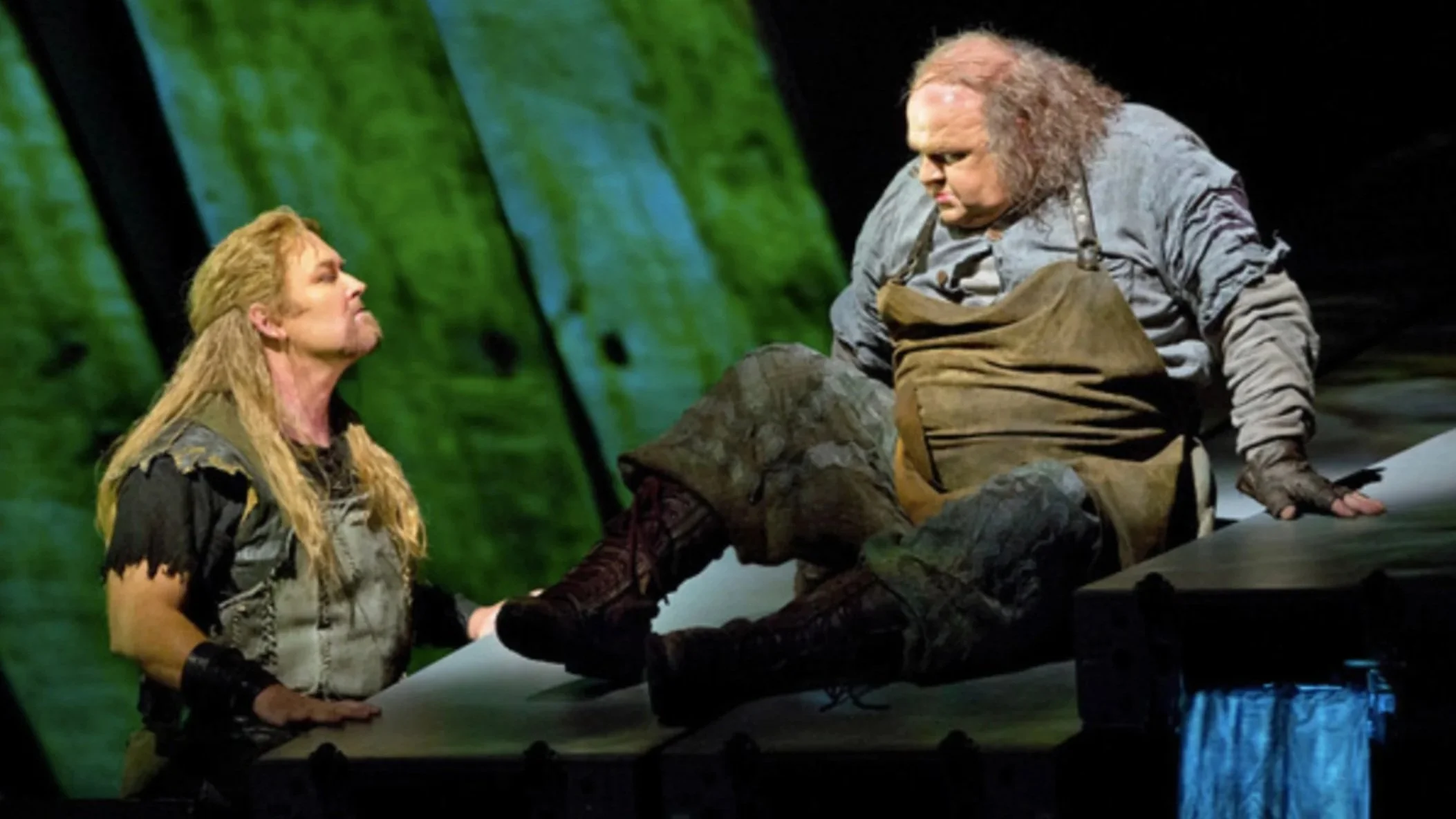
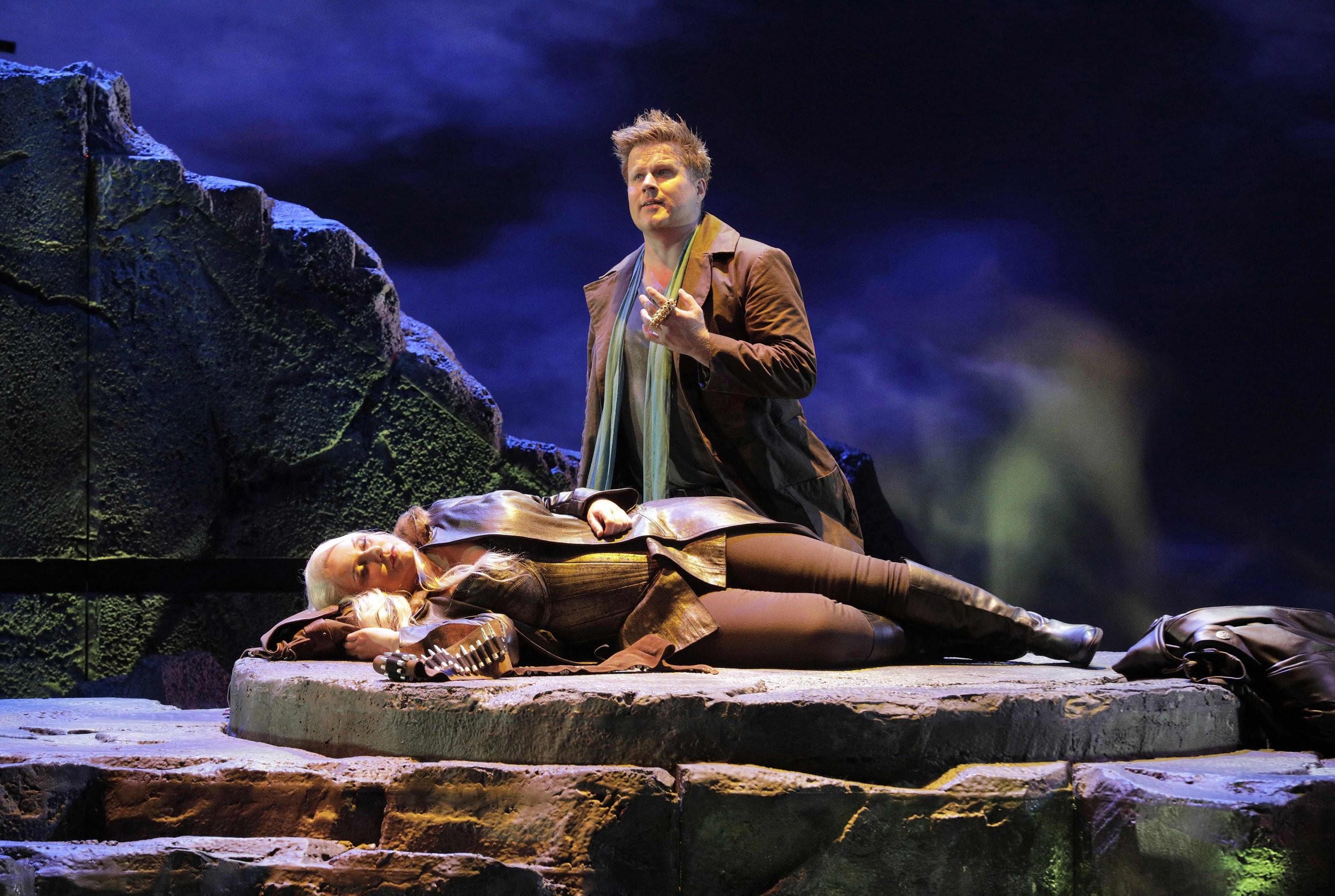
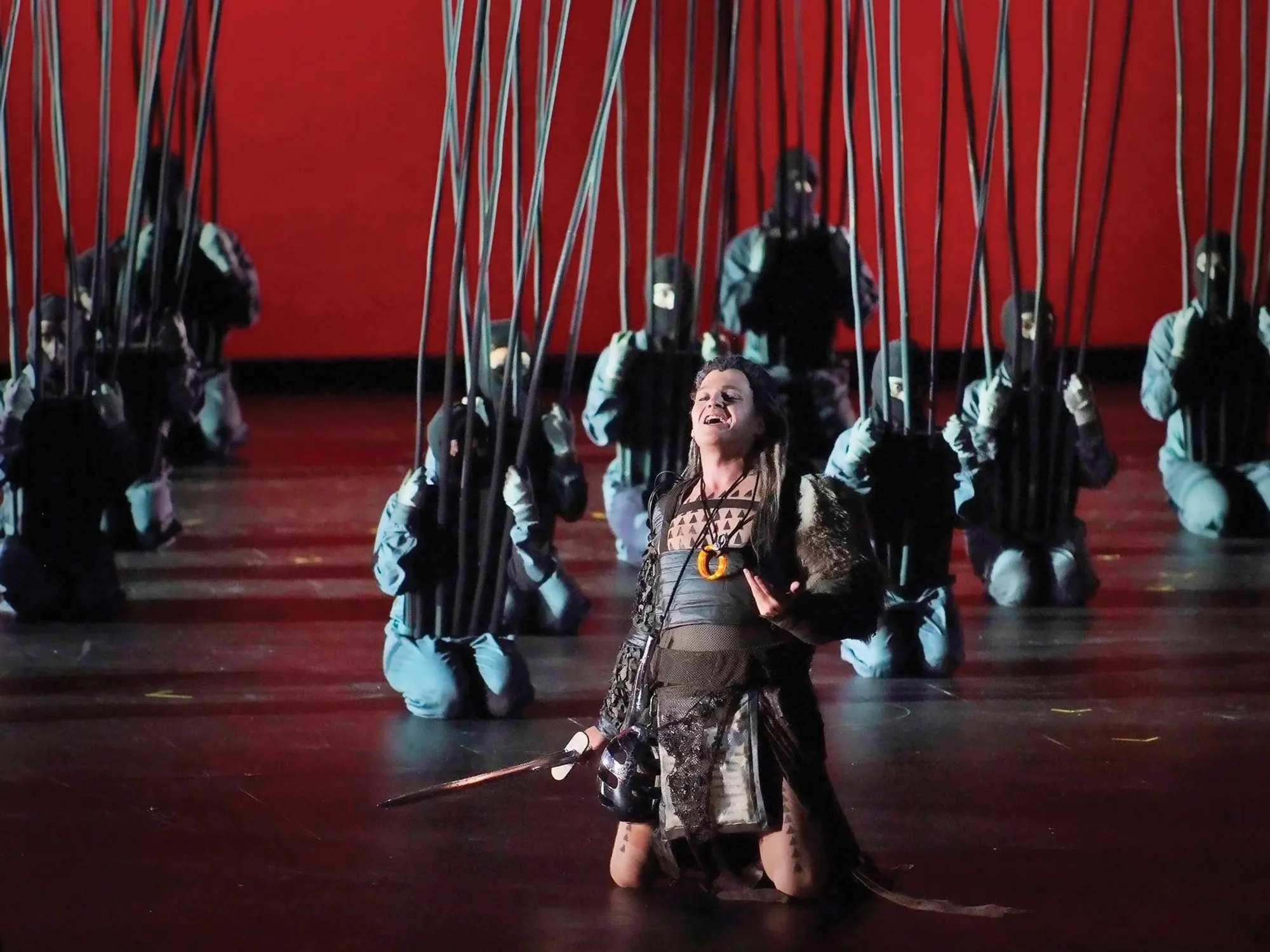
Take Siegfried. Siegfried is not merely young. He is aggressively unformed. He does not know fear. He does not understand lineage. He mocks authority, breaks tools, ignores instruction. He is the opposite of Wagner’s imagined ideal audience member. And yet Wagner builds the entire drama around the idea that this very absence, this lack of prior knowledge, is what makes transformation possible.
Siegfried does not learn through explanation. He learns through encounter. Through sound before sense. Through bodily engagement with the world. The forging of Nothung is not a lesson delivered. It is a rhythm absorbed. A pattern repeated until meaning arrives without being named.
This is how children learn. And it is how Wagner’s music works.
The orchestra, in Wagner, is not an explanatory device. It is a pedagogical one. It teaches without instruction. Leitmotifs recur long before we know what they signify. We recognize them emotionally before we recognize them intellectually. The music does not wait for us to understand. It plants itself first, and only later reveals what it has been doing.
This is not a mature system. It is a developmental one.
If Wagner were right, if understanding had to precede experience, his operas would fail almost everyone. No first-time listener truly gets Tristan. No one walks into Götterdämmerung fully equipped to process it. We are all, at the beginning, children in Wagner’s world. Overwhelmed, confused, carried along by forces we cannot yet name. And this is precisely the point.
Wagner’s worldview is saturated with the idea that human beings are not born whole. That they are shaped by exposure to suffering, love, renunciation, sound. That meaning arrives through repetition, not explanation. His characters do not receive wisdom as information. They endure it as experience.
So why, then, the impulse to gatekeep? Because Wagner conflated seriousness with control. He feared dilution. He feared misuse. He feared that encountering his art without the proper scaffolding would trivialize it. But what he failed to see is that trivialization is not the opposite of seriousness. Premature closure is.
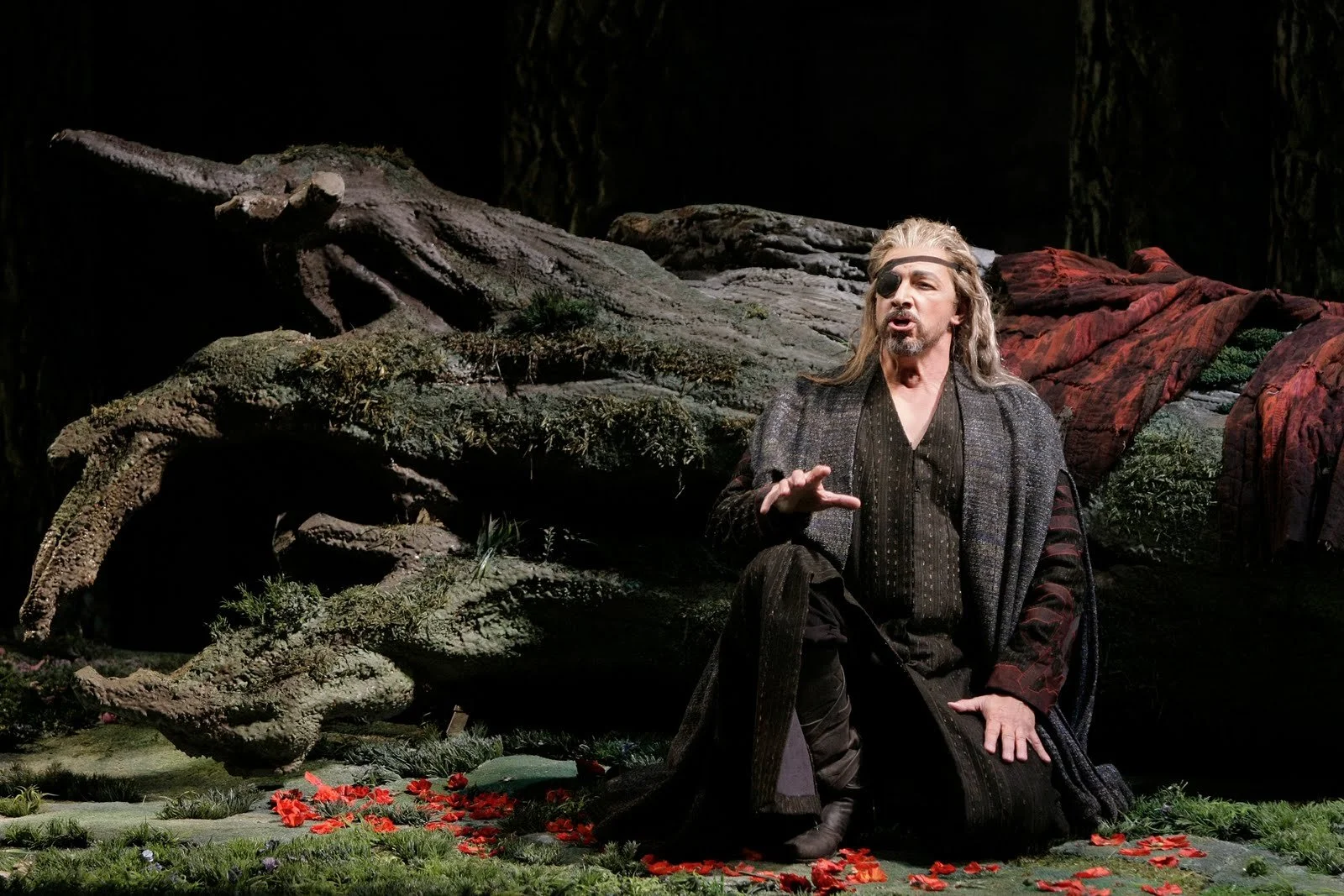
Children do not misunderstand Wagner because they lack concepts. They misunderstand him because they have not yet been allowed to misunderstand anything slowly. And Wagner’s art is nothing if not slow misunderstanding that ripens over time.
Aufbruch/Matt treats Wagner not as a monument, but as weather. Something you move through. Something that seeps in sideways. You do not attend it once and emerge complete. You return to it across years, cities, moods. You hear different things because you have changed, not because the work has been decoded. This is how growth works. Not as mastery, but as layering.
When Wagner insists that only the mature can enter his world, he betrays an anxiety about contamination. About letting the work live beyond his control. But his operas have survived precisely because they refuse to remain enclosed. They thrive on partial listening, on wrong contexts, on accidental encounters. They thrive because they grow with the listener.
The truth Wagner could not accept is that great art does not belong to the initiated. It initiates. It does not reward preparedness. It creates it. It does not require adulthood. It invents adulthood slowly, through repeated exposure to complexity that cannot be rushed. Children should be in the theatre. Not to understand everything. But to begin the long process of learning how not to understand too quickly.
Wagner’s music already knows this. It teaches patience before it teaches meaning. It trains attention before it delivers insight. It assumes the listener is unfinished. It assumes the listener is human. And that is why the sentence fails. Not because it is elitist, but because it misunderstands what his own art is actually doing. How it works on us, and when. Wagner tried to build a temple for the fully formed. What he actually built was a workshop for becoming.
Further Reading