Der Stillstand: Tannhäuser and the Pilgrimage That Refused to Move
Aufbruch/Matt was conceived as a walking project. Wagner mapped onto the city, the body translated into an instrument of attention, movement itself treated as a kind of interpretive method. Meaning emerged through distance. Themes were allowed to stretch, repeat, decay, and re-form across neighborhoods. January’s Der Fliegende Holländer was built on that premise. Wind, ferries, harbor crossings, the body carried forward by weather and water. Motion was not incidental. It was structural.
February interrupts this logic. Early in February I lost an argument with a door frame and broke two bones in my foot. But they don’t merely delay the walk. They expose its underlying assumption. That pilgrimage requires locomotion. That attention depends on access. That devotion is proven by distance traveled rather than fidelity maintained. Yet Wagner’s Tannhäuser has always been suspicious of precisely that idea. It is, despite its famous journey to Rome, an opera fundamentally about immobility. About the failure of movement to resolve moral conflict, about the way bodies and desires remain trapped even after heroic effort has been expended. In this sense, the injury does not derail February. It completes it.
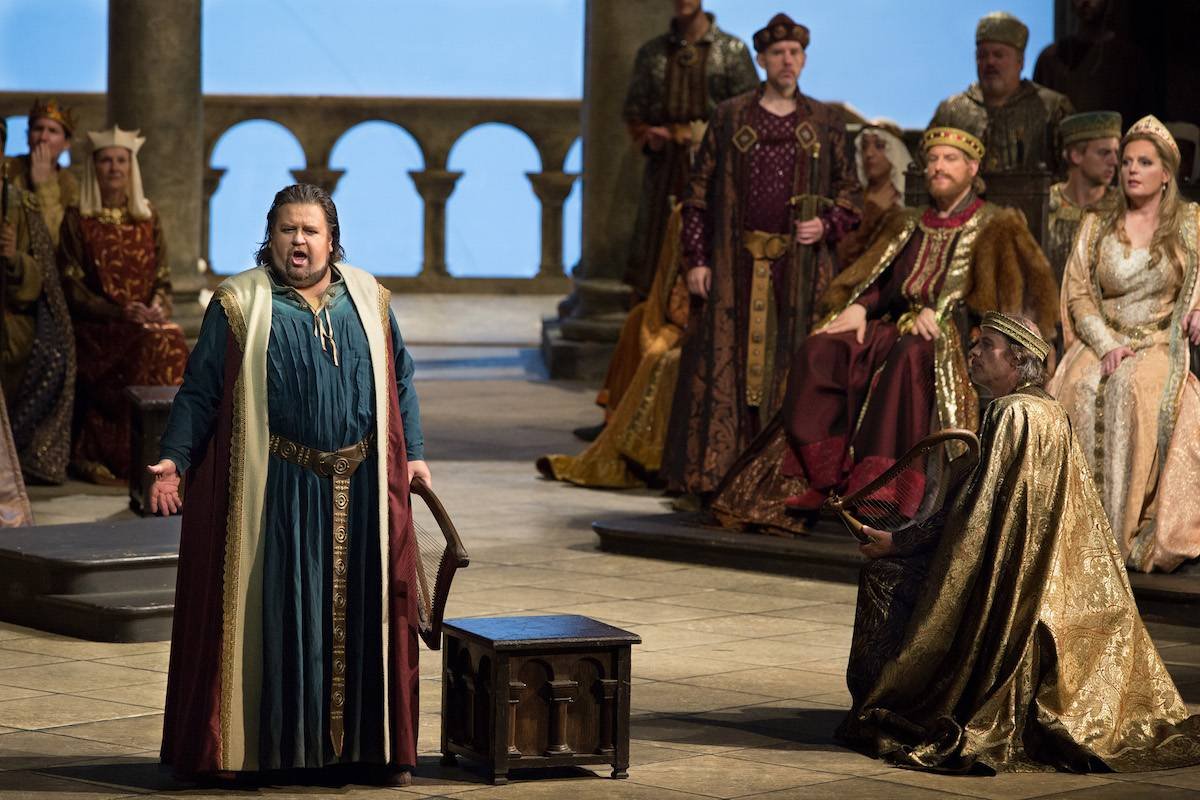
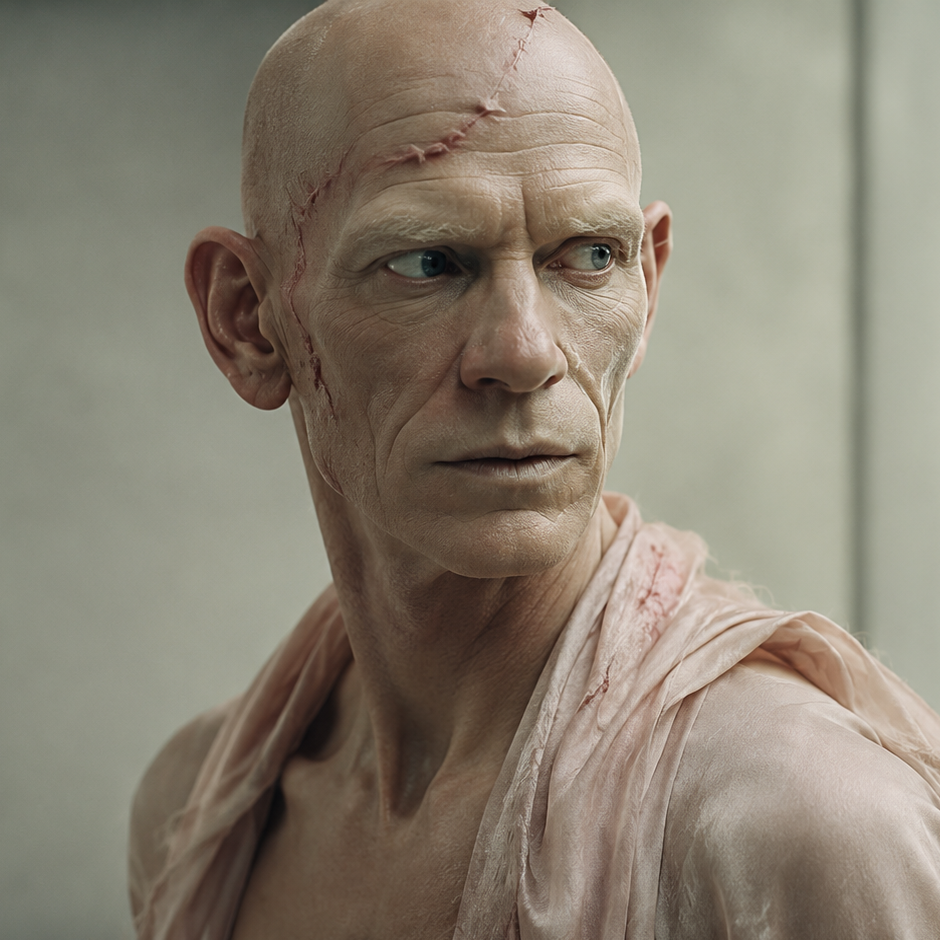
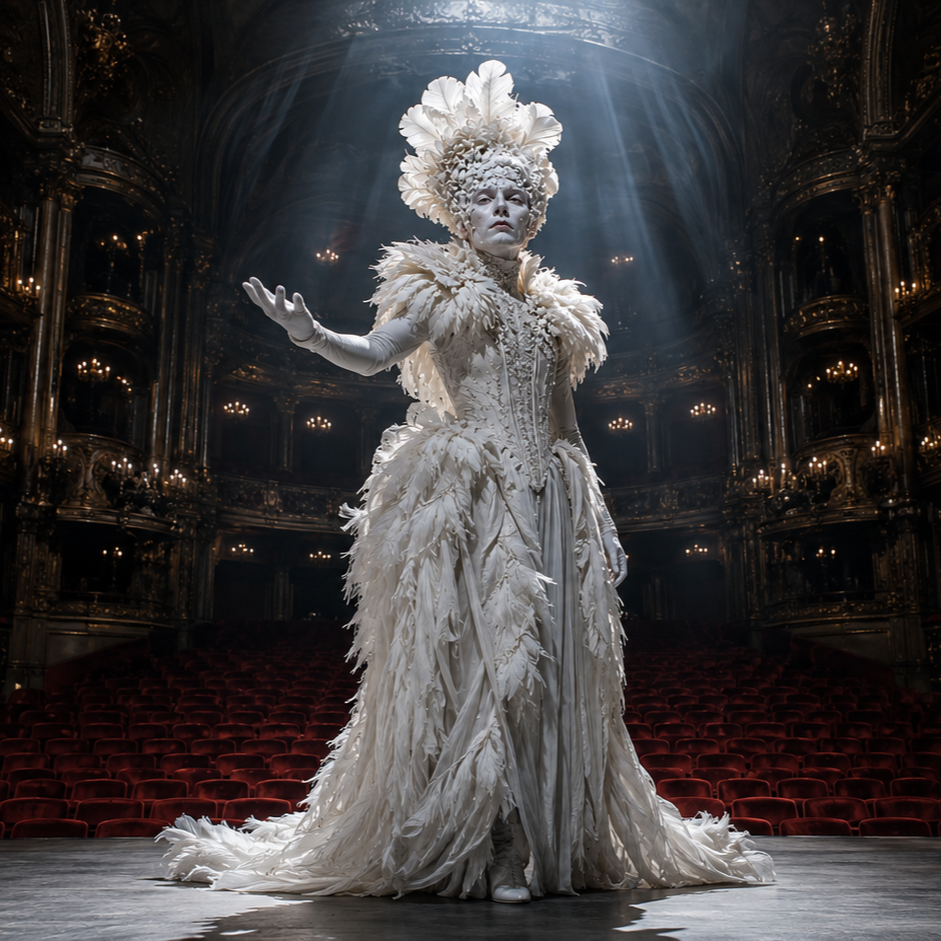
Tannhäuser stages a series of enclosed worlds masquerading as destinations. The Venusberg is a paradise only insofar as one does not attempt to leave it. Pleasure curdles into stasis the moment desire loses its edge. The Wartburg, ostensibly a site of order and moral clarity, is equally static. A court that rewards formal correctness over truth and punishes sincerity when it exceeds decorum. Even Rome, the opera’s most mythologized location, functions less as a place than as an authority. The journey there is long, arduous, and narratively central, yet its outcome is negation. Tannhäuser returns unchanged, absolution denied, movement rendered meaningless.
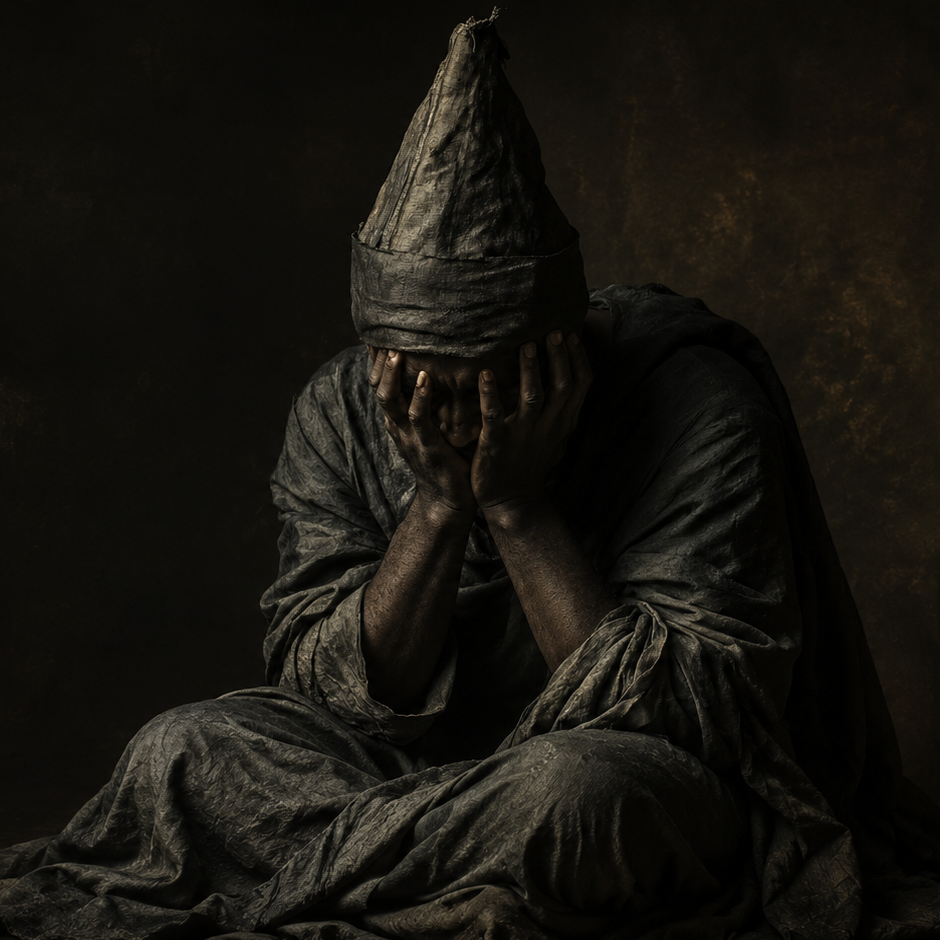
What Wagner dramatizes, with unusual severity, is the insufficiency of distance. Travel does not redeem. Effort does not guarantee transformation. The body can obey every demand placed upon it and still be refused the moral resolution it seeks. February’s enforced stillness therefore aligns with the opera’s deepest argument. The body’s refusal becomes interpretive rather than accidental. Aufbruch/Matt is forced to confront what it has always risked avoiding. Whether its commitment lies in the walk itself or in the discipline of attention the walk was meant to train. Stillness, in this context, is not rest. It is constraint. And constraint sharpens perception.
Removed from the city’s physical circuitry, the project turns inward and discovers a second mode of operation. The absence of movement collapses the external geography and intensifies the interior one. A single room replaces a network of streets. A fixed chair stands in for a constellation of stops. Time, rather than space, becomes the primary medium through which repetition accumulates meaning. Return replaces progress.
This is not a metaphorical substitution. It is a structural shift. When movement is no longer available, the practice must decide whether it can survive as a discipline rather than an experience. Tannhäuser insists that this question be faced honestly. The opera offers no sentimental consolation for confinement. It does not redeem its protagonist through patience or endurance. Instead, it reveals how profoundly the self resists transformation even when every external condition appears to have been satisfied.
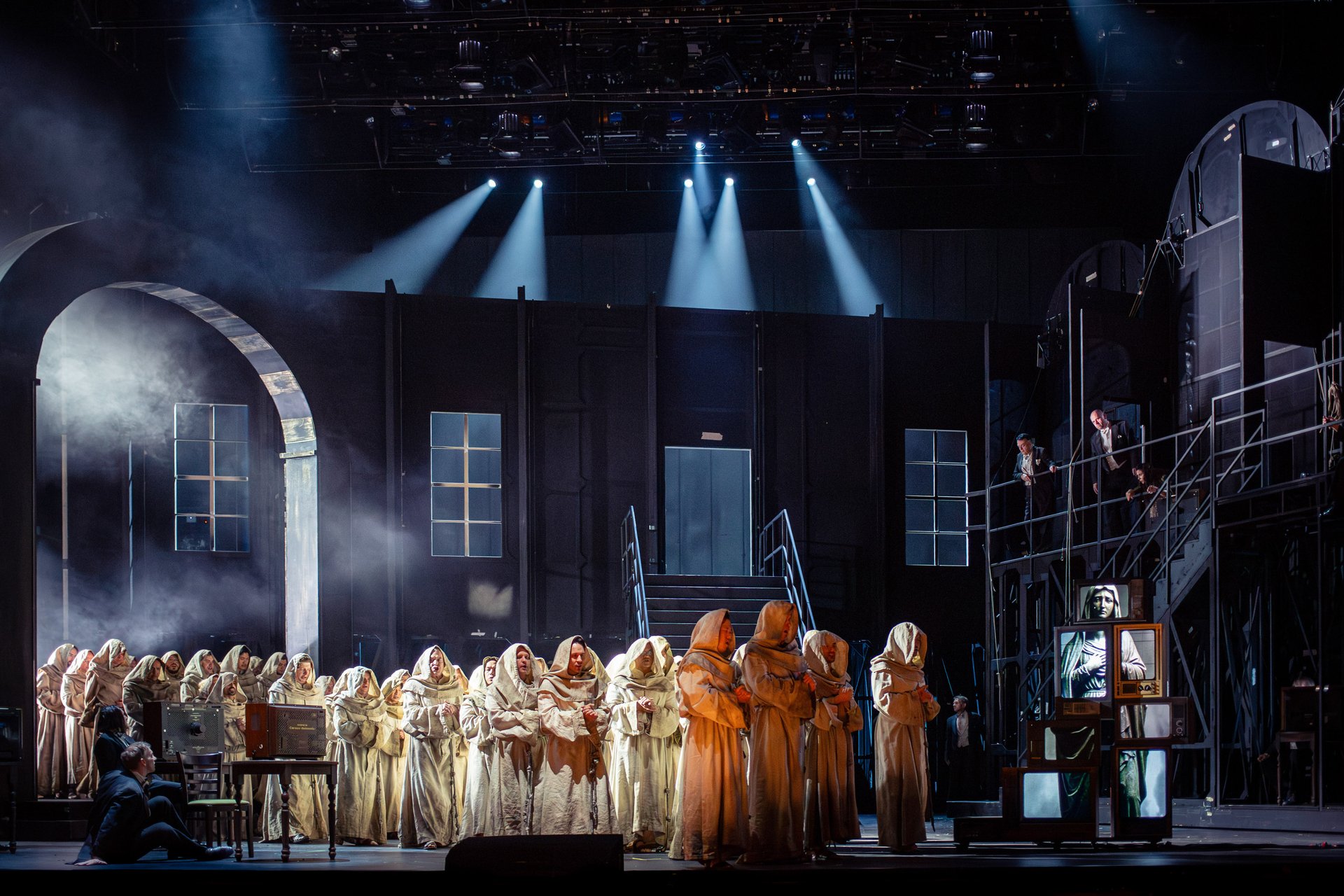
Listening under these conditions changes character. Repetition ceases to feel decorative and begins to exert pressure. The overture no longer announces spectacle. It becomes a closed system, returning again and again to unresolved tensions. The Venusberg music loses its erotic shimmer and takes on a claustrophobic density. The Pilgrims’ Chorus, so often heard as a communal affirmation, becomes distant, observational. Something seen rather than joined. The Rome Narrative, stripped of its promise, reads as a document of institutional refusal rather than spiritual climax.
Stillness exposes the opera’s internal architecture. Without the distraction of motion, the work reveals itself as a study in arrested development. Desire that cannot be disciplined without being destroyed, order that cannot forgive without undermining itself, faith that cannot accommodate the body without denying its own authority. These are not abstract problems. They are lived tensions, now mirrored directly in the injured body that must submit to medical timelines, external judgment, and the humiliating uncertainty of recovery.
The city, meanwhile, continues. Observed from a window high above Rockefeller Plaza, rather than entered on foot, it becomes something closer to Wagner’s pilgrims. A procession which affirms continuity precisely through one’s exclusion from it. This is not resentment so much as recalibration. The city’s movement, once a partner in the work, becomes its object. The project learns to read motion without participating in it. Watching replaces walking. Witness replaces traversal.
What emerges is a form of pilgrimage without distance. Fidelity replaces mileage. The month is not completed by accumulating stops but by returning, day after day, to the same frame of attention. The practice becomes monastic in the older sense of the word. Bounded, repetitive, resistant to novelty, oriented toward deepening rather than expansion.
This shift has consequences beyond February. Aufbruch/Matt reveals itself, perhaps for the first time, as a project capable of enduring interruption. By developing an interior mode alongside its exterior one, it refuses the fantasy that meaning depends on ideal conditions. Weather, health, work, grief, all of these can now be absorbed rather than treated as threats to continuity. The work becomes resilient not because it avoids disruption, but because it has learned how to metabolize it.
In retrospect, the symmetry is almost too precise to ignore. January’s Holländer was a month of endless motion without rest, a body carried forward across water and wind, unable to arrive. February’s Tannhäuser becomes rest without motion, a body held in place, unable to depart. Together they form a dialectic Wagner himself would recognize. Curse and confinement, movement and refusal, the ocean and the room.
March will eventually reopen the city. The walk will resume. But it will not resume unchanged. It will carry with it the knowledge that stillness is not the absence of movement but its conscience. The condition which reveals whether motion has been mistaken for meaning.
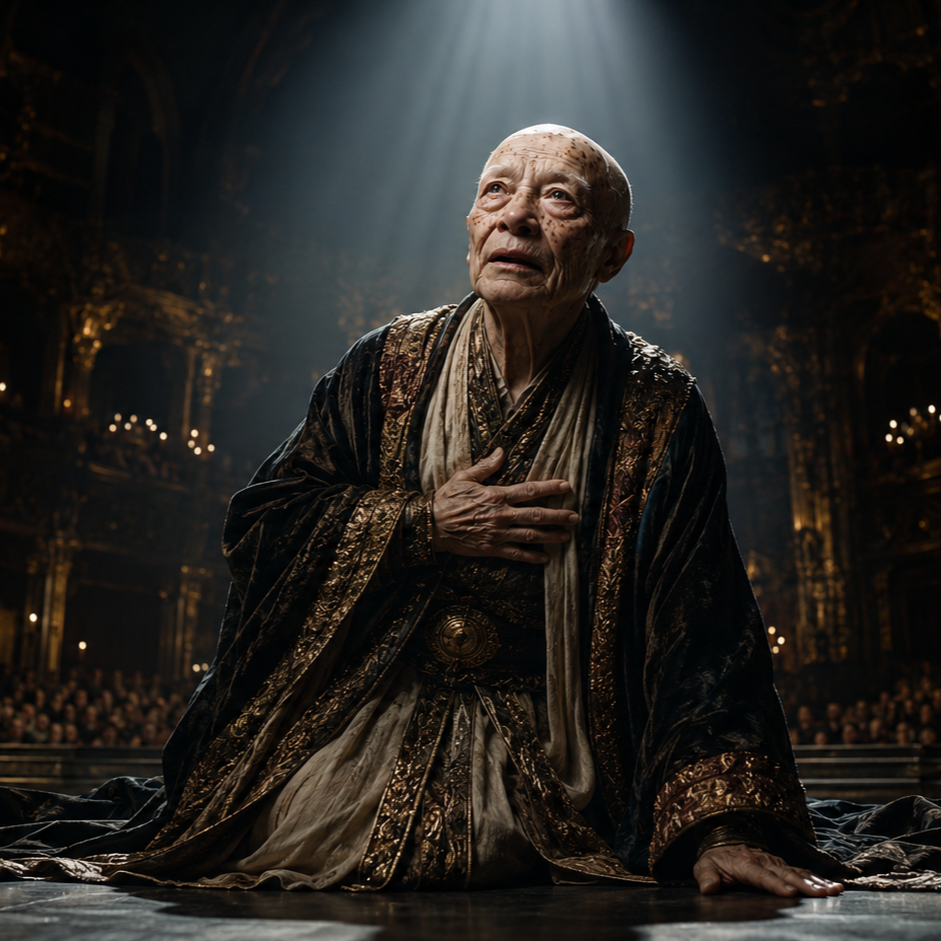
Tannhäuser does not resolve its contradictions. Wagner leaves his protagonist suspended between worlds, redeemed only through another’s death, salvation deferred beyond the frame of the opera itself. February honors that refusal. It does not pretend that injury teaches neat lessons. It allows the interruption to stand as interruption, the body’s veto to remain authoritative. What remains, when movement is denied, is attention. And attention, Wagner reminds us, has always been the harder discipline.
Further Reading